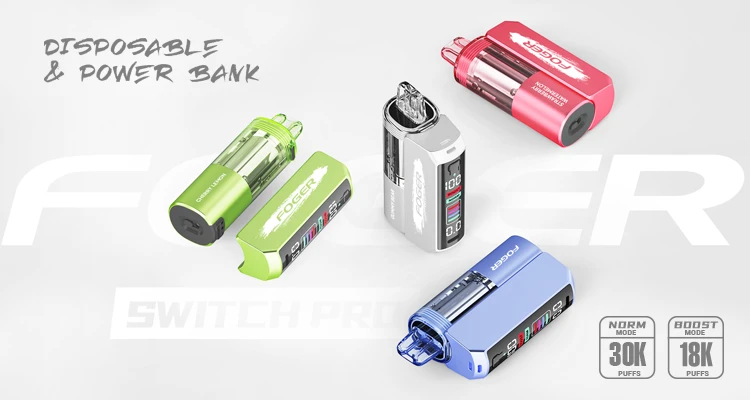
A sample, a method and recorded observations are the foundations of a defensible hands-on account.
Name the evidence type
A rewritten specification is not a hands-on finding. Source analysis can still be useful when it explains inconsistencies and unanswered questions, but it must identify its basis. A review should make its evidence type clear before the reader reaches a verdict.
Identify the sample
A physical review needs an exact model, market label, acquisition context and relevant revision details. If several samples were examined, the count and selection method matter. A single sample observation cannot support a broad claim about an entire production run.
Describe the method
Readers should be able to understand the conditions behind a result. Measurements need units, equipment context and a stopping rule. Subjective impressions should be labeled as impressions rather than converted into precise scores that imply a validated scale.
Make limits useful
A useful limitation says what the evidence cannot answer and what would answer it. Our opening edition uses source-based analysis because no physical samples were evaluated. That boundary is published in every model article and in the editorial standards.
Read our editorial standards and explore the model library.